
5 reasons your high food budget is justified
posted on
November 2, 2018
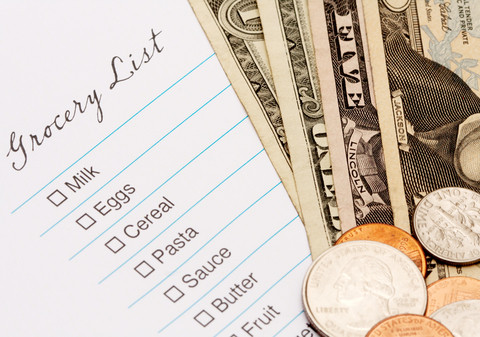
How much do you spend each month on your food? According to the USDA, the average family of four currently spends $600-1200 per month on food, depending on quality and how thrifty you are.
If you’re reading this email, I know that you value nutrition and the environment. This means that your food budget is either on the high end of the spectrum or off the charts.
Don’t feel guilty. It’s ok. The reason you are choosing these foods is because you deeply care about your family’s health and the sustainability of our natural world.If you’re in need of some justification, here are 5 reasons why you should spend more on your food:
1- Your family’s health is a top priority. Feeding your family high quality food enhances their health and happiness. With food, you absolutely get what you pay for. Nutrient dense food that’s free of junk - from additives to animal injections to the molecular structure - takes care to produce.
2 - You care deeply for the environment. The next generation needs food, water, and air. Without sustainable farming practices, these basic human needs are at risk.
3- You can reduce your healthcare costs. By eating well, your family will need less healthcare in the long term. Spend now, save later. Spend more on natural, nourishing foods and less on lab-induced pharmaceutical drugs and procedures.
4 - You support small farmers. The modern American food system has not only spoiled our soils and nutrition but it has also taken rights from our farmers. Our small farmers go above and beyond to grow food the way it’s supposed to be grown - with care for the plants, animals, humans, soil, and the sustainability of our environment.
5 - You value above and beyond customer service. When you pay more, you typically get a faster response time, easy credits/refunds, and answers to any question you may have. Also, products are likely guaranteed for quality and freshness.
When you care about nutrition and the environment, food is the last place you can scrimp. Buy second hand clothes and furniture, go to free events for entertainment, escape consumerist culture… but please make sure to eat well!


