
Smart tips for grilling the perfect chicken breasts
posted on
July 31, 2020
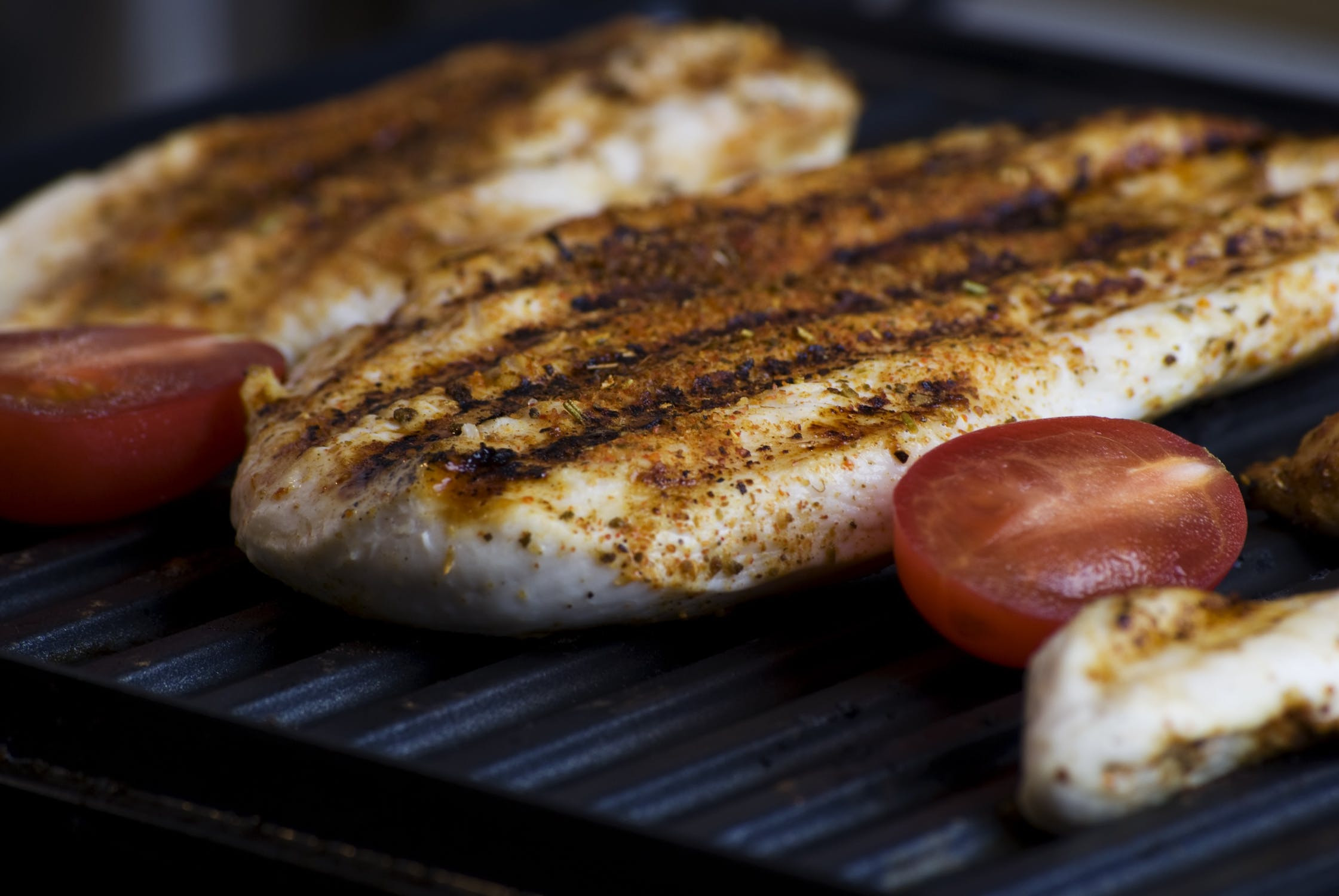
Chicken breasts are a favorite in my family. Baked, fried, sauteed, stir fried, or grilled. They’re so versatile and almost always a hit.
In the summer, when I want to keep the heat down in my house and save energy, chicken breasts go on the grill.
I love grilled chicken, because I can make a huge batch quickly and eat it as leftovers throughout the week.
I typically buy in bulk and cook it all at once.
Then, I can make chicken sandwiches, chicken salad, cubed chicken, chicken and noodles, chicken quesadillas, chicken stir fry, chicken tacos, chicken ramen, chicken pizza … I mean, there are SO MANY options!
But… here’s the catch. It can be a bit of a challenge to master the art of grilled chicken breasts. They can easily be too dry or crispy on the edges.
You’re in luck this week. I have some great tips for grilling the perfect chicken breasts!
1 - Flatten the meat
Chicken breasts are often thick on one side and thin on the other. This leads to uneven cooking. To get the thick part cooked through, you end up with a dry crispy edge. Not the best, especially for leftovers!
The secret to juicy, evenly cooked chicken breasts is flattening them. It requires a little muscle and is a great way to de-stress.
If the chicken breast is large, cut it in half.
Then, pound it until evenly flat. You could use the smooth side of a fancy meat tenderizing mallet. But, a good old rolling pin, wine bottle, or cast iron skillet will also do the trick.
This can be a messy process. If you’d like to reduce the mess, you can sandwich the breasts in between plastic wrap, wax paper, or silicone baking mats.
The breasts should end up being ¼”-½” thick.
2 - Brine it
Most people marinate chicken breasts in some oil, vinegar, and spices for a few hours to add flavor and moisture. However, make sure the marinade has more fat than anything else. Otherwise, you may end up with tough dry meat.
I prefer to salt brine my chicken breasts. It gives the most moist and juicy breasts.
It’s easy. Mix together 4 Tbsp of salt for every 4 cups of water until dissolved. Put the salt water and breasts in a bag. Let it sit in the fridge for 1-3 hours. Remove and pay dry.
Now, with a salt brine, beware - do not salt the breasts otherwise they will be too salty. Just add some pepper and herbs of your choosing before grilling.
3 - Oil and preheat the grill
After flattening and brining, it would be such a shame for your chicken to stick to the grill. That’s why you should use a little oil on the grates.
Make sure the oil has a high smoking point. Avocado oil, sunflower oil, sesame oil, and grapeseed oil are all good options.
Put some oil on a paper towel or rag. Using tongs, wipe the oil on clean grill grates.
Then preheat your grill at medium high heat.
4 - Cook on medium high heat
Flattened breasts cook quickly. They need about 4 minutes per side.
With chicken, it is important that the meat is cooked through. If you have one, you can double check with a meat thermometer. Chicken is done at 165F.
5 - Let them rest for 5 minutes
It’s worth the wait. Resting meat after cooking gives time for the juices to be reabsorbed and redistributed.
And there you have it. Wonderful grilled chicken breasts!


